Tanzania Safari for First-Time Visitors: Complete Guide
Going on a Tanzania safari is surely one of the best ways to see Africa’s notable wildlife, landscapes, and culture. From plains of wildebeests to the nearly unbelievable experience of watching elephants and lions at close quarters, Tanzania’s safari experience surely ranks among the best in the world.
However, for those who are going on a safari for the first time, it may be a tough task because you have to decide which parks to check, the right timing, the length of the tour, etc. In this article, you will find everything you need to know for the first successful safari in Tanzania.
What Makes Tanzania an Excellent Safari Destination?
Tanzania boasts numerous world-renowned wildlife hotspots such as Serengeti National Park, Ngorongoro Conservation Area, Tarangire National Park, as well as Lake Manyara National Park, all of which provide travelers with varying adventures.
One of the most famous sites in Tanzania is Serengeti, noted for its massive grasslands and Great Migration, usually taking place every year when hordes of wildebeests, zebras, and other animals migrate in search of new pastures, and it never fails to impress its visitors. Ngorongoro Crater is another magnificent place in Tanzania featuring an outstanding variety of Fauna in a spectacular volcanic scenery.
For people wanting to create a perfect combination between a safari and other adventures, Tanzania is a great option. After completing your northern safari circuit, you can have a beach holiday in Zanzibar, explore local villages, or climb Mount Kilimanjaro.
Ideal Months to Tour Tanzania
Tanzania can be visited at almost any time, but its most suitable times to visit depend on the type of activity and experience sought.
The dry season, occurring from contemporary June to October, is the best time for most visitors, as wild animals will be found at water holes, making them easier to spot, and the weather is pleasant for the safaris.
January and February are also fantastic months of visit, especially in Serengeti, because of the time for the calving of wildebeests.
The seasons of rains have a lower number of tourists, which means more greenery and lesser prices. The short rains are experienced during November and December, while March to May is the period of long rains.
How Many Days Should Your Safari Be?
For beginners, a safari of five to seven days will suffice as an introduction to the magnificent northern parks of Tanzania. The more days you have for your safari, the more places you can visit.
Your itinerary may include Tarangire, Ngorongoro, and Serengeti and, if you have more time, you may want to explore Lake Manyara or spend extra days in the Serengeti.
Just remember that safari journeys are more than picking parks from a list. Spending more nights at one place means that you will have more chances for a variety of wildlife events and save time on packing.
What types of wildlife can you encounter?
Tanzania is known for its rich fauna. Depending on the place and period of the year you are visiting, you may come across lions, elephants, leopards, cheetahs, buffaloes, giraffes, zebras, hippos, crocodiles, or different types of antelopes.
The “Big Five” (lion, leopard, elephant, buffalo, rhinoceros) are the ones that many visitors are eager to spot. However, there is no assurance that you will see this wildlife as these animals have access to their natural surroundings.
Bird watchers also have a lot to explore as there are hundreds of bird species present in Tanzania’s national parks and protected areas.
Accommodations on Safari
There are a number of different choices when booking accommodation in Tanzania, which can include basic and affordable camping facilities all the way through to luxurious hotels.
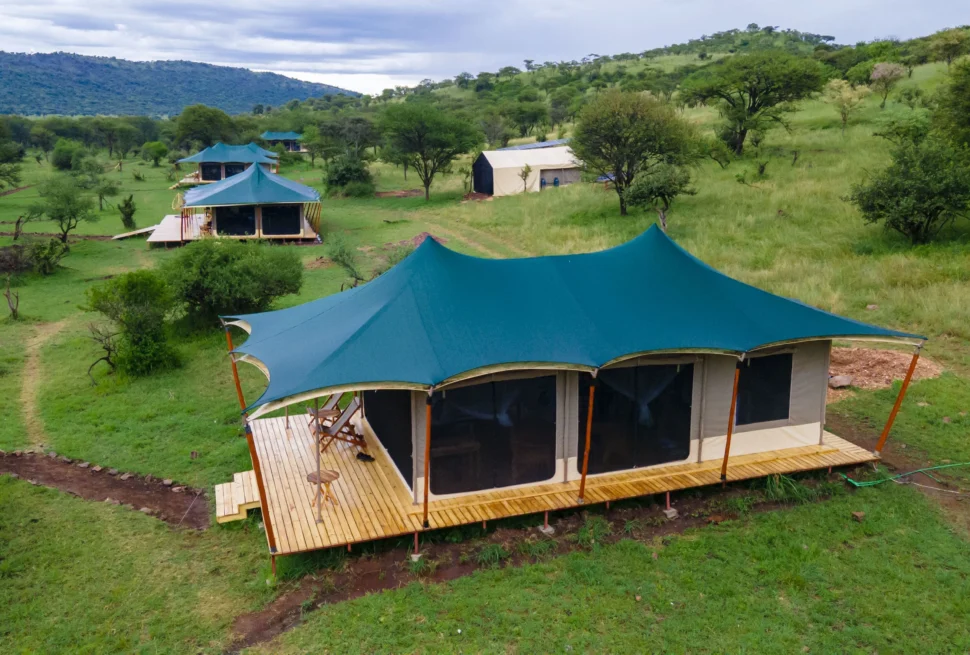
A tented camp can enhance the safari experience considerably, as it makes you feel closer to nature while still enjoying decent accommodation. A lodge can often offer more extensive facilities, including permanent rooms and access to services such as swimming pools and restaurants.
When choosing your accommodation, be sure to consider how much you have to pay as well as the distance from the area where you wish to go.
Things to Bring Along
Packing your bags for a safari in Tanzania is not too difficult. One will need comfortable light clothing in neutral colors. You should also consider taking a warm layer of clothing because mornings and evenings can be quite chilly.
Some other necessary items to pack are sunscreen, sunglasses, wide-brimmed hats, insect repellent, comfortable walking shoes, binoculars, and a camera with spare batteries or chargers.
One of the most important pieces of advice any traveler can get is to carry as little luggage as possible. The size of many safari vehicles and small aircraft is limited, and a soft bag is more practical than a large suitcase.
Etiquette and Safety for Safaris
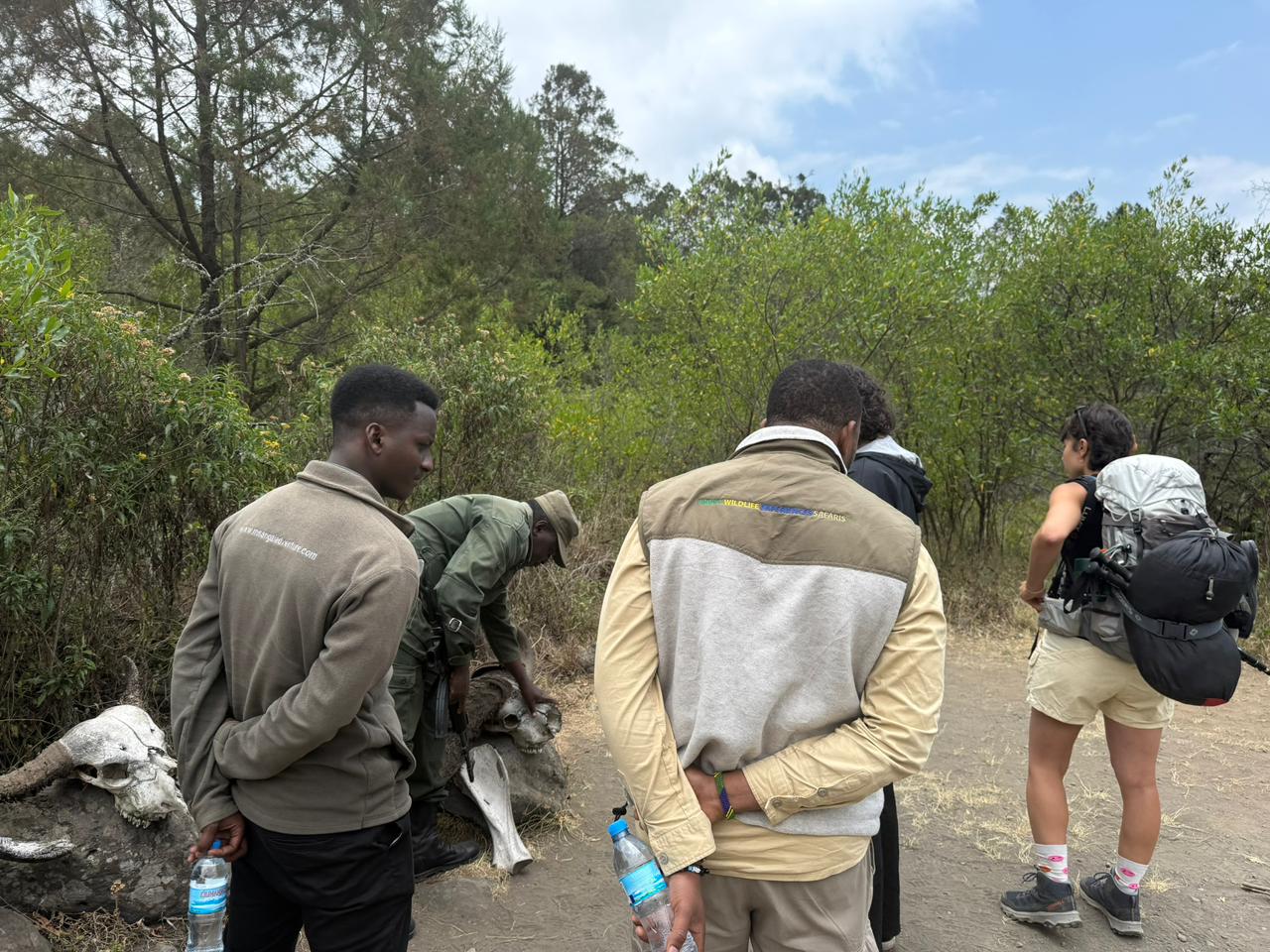
It is important to always adhere to the guidelines given by your guide. Remember that wild animals behave unexpectedly, thus tourists shouldn’t approach, feed, or even try to attract them.
Make sure to stay inside the safari vehicle until the guide says it is safe to leave. Keep your voice down, and do not make accidental movements while close to the animals.
Last but not least, show respect to the local communities and conservation regulations. Responsible tourism helps maintaining Tanzanian wildlife, as well as promotes the welfare of the surrounding people.
Taking Your Initial Tanzania Safari
The initial step in organizing this trip is to determine your interests, whether it is wildlife, Great Migration, photography, luxury, budget, or another place to visit in combination with Tanzania.
Next, you should arrange the travel dates and parks, the type of accommodation, and the established safari operator who works in your region. The presence of a good guide makes a big difference since the guide has extensive experience regarding animal behavior, park conditions, and the best places for safari in Tanzania.
The most important thing is to be prepared for the unexpected. Safari does not guarantee sightings; each trip is unique and provides you with emotional moments not planned beforehand (for example, elephants crossing the road, a breathtaking sunset, or quiet observation of animals approaching a waterhole).
In addition to that, this travel will be a great introduction to the African wilderness for people coming to Tanzania for the first time.
FAQs
1. Is Tanzania good for first-time safari travelers?
Yes. Tanzania has a well-established safari tourism industry and a wide range of parks, accommodations, guides, and tour options. The northern safari circuit is particularly popular with first-time visitors because several major wildlife destinations can be combined into one trip.
2. How many days do I need for a Tanzania safari?
A five- to seven-day safari is a practical starting point for first-time visitors. This allows enough time to explore several major wildlife areas without making the trip excessively rushed. Travelers with more time can extend their Serengeti stay or add destinations such as Zanzibar or Mount Kilimanjaro.