- 10
- 1
- 5
- 1
- 1
- 3
- 1
- 3
- 21
- 3
- 10
- 14
- 15
- 11
- 14
Few places on Earth embody the raw, untamed spirit of the African wilderness like the Serengeti National Park. Spanning nearly 15,000 square kilometers in northern Tanzania, the Serengeti is a land of endless horizons, rich ecosystems, and dramatic seasonal transformations. It is famed worldwide for hosting the Great Migration, one of nature’s greatest spectacles, where millions of wildebeest, zebras, and gazelles cross its plains in search of water and pasture. But the Serengeti is far from a monolithic landscape; it is a park of remarkable regional diversity.
To truly understand the Serengeti, it is essential to break the park into its three major regions: Central Serengeti, Northern Serengeti, and Southern Serengeti—each with its unique geography, wildlife, vegetation, and seasonal appeal.
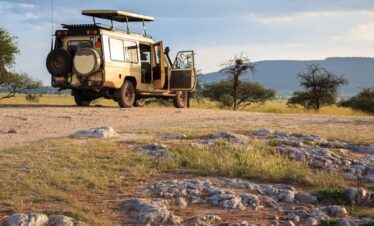
The Central Serengeti, known as the Seronera region, is often considered the heart of the Serengeti ecosystem. It represents the park’s classic landscape—endless, golden savannah plains dotted with acacia trees and granite kopjes (rocky outcrops). These kopjes serve as vantage points for predators like lions and leopards, as well as dens for smaller species like hyraxes and lizards.
Rivers such as the Seronera River cut through this region, creating lush corridors of gallery forest and sustaining wildlife even during the dry months. These water sources make the Central Serengeti one of the few areas where animals are present year-round, providing the best chance for visitors to see the “Big Five” (lion, leopard, elephant, buffalo, and rhino) in one place.
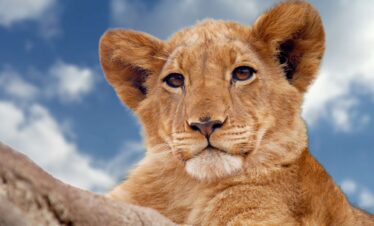
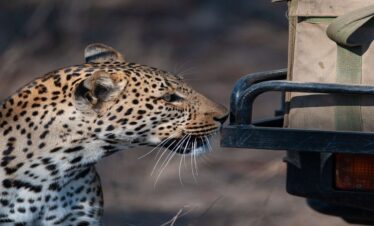
The Central Serengeti is home to large populations of predators. It is often called the “predator capital of Africa” because of its exceptionally high density of lions, leopards, and cheetahs. Visitors are almost guaranteed to encounter lion prides resting on the kopjes or stalking the plains. Cheetahs favor the open savannah for hunting, while leopards lurk in the riverine forests.
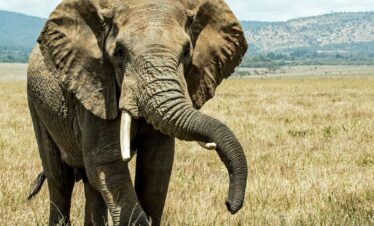
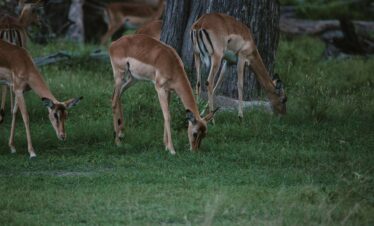
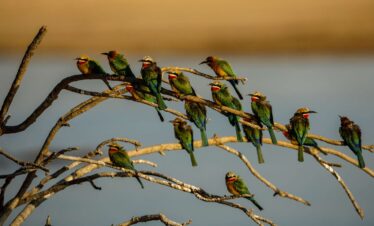
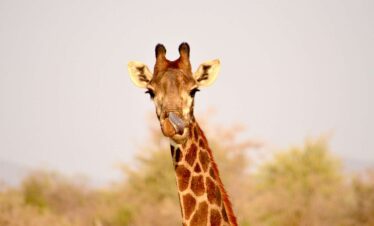
Besides predators, herds of elephants, giraffes, impalas, topis, warthogs, and hippos are frequently seen. Birdlife is abundant, with species like the superb starling, lilac-breasted roller, and secretary bird offering spectacular sightings.
The Central Serengeti is a year-round destination because of its permanent water sources and resident wildlife. However:
The Northern Serengeti stretches to the Kenya-Tanzania border, bordering the famed Maasai Mara Reserve. This region differs greatly from the open plains of the south and center. Its landscape includes rolling hills, scattered woodlands, thick acacia forests, and the vital Mara River. The river and its surrounding riverine forest are life-giving arteries in this region, supporting a range of wildlife during the dry season.
The terrain here is more rugged, with granite outcrops and thicker vegetation. The Lamai Wedge, located between the Mara River and the border, is particularly stunning, offering elevated vistas and quieter safari experiences compared to the more tourist-heavy Central Serengeti.
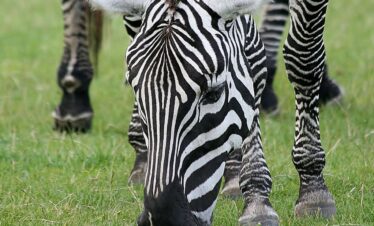
This is the region where the Great Migration’s most dramatic chapter unfolds: the Mara River crossing. Between July and October, tens of thousands of wildebeest and zebras gather at the banks of the Mara River, hesitating before making the perilous swim to the other side. Crocodiles lurk in the waters, and predators such as lions, leopards, and hyenas wait on both shores, making this a thrilling and emotional spectacle.
Even outside of migration season, Northern Serengeti teems with resident wildlife: elephants roam the hills, giraffes graze acacia canopies, and rare animals like eland and oribi are spotted here more frequently than elsewhere in the park. Bird species such as the African fish eagle, vultures, and crowned cranes are abundant, especially near the river.
The Southern Serengeti encompasses the vast, open Ndutu Plains and the area around Kusini. This is a region of rolling grasslands, dotted with occasional umbrella acacias and small soda lakes. The Southern Serengeti forms the heart of the Serengeti ecosystem’s calving grounds, especially around Lake Ndutu and Lake Masek, which provide seasonal water sources.
This region gradually merges with Tanzania’s Ngorongoro Conservation Area, making it part of the larger Greater Serengeti-Mara ecosystem. The landscape here is open and flat—perfect for viewing large herds and observing predator-prey interactions.
The Southern Serengeti comes alive from December to March, when the Great Migration’s herds gather to calve. During this short period, nearly 500,000 wildebeest calves are born, filling the plains with vulnerable young that attract every predator in the area.
This is the best place in the Serengeti to witness cheetah hunts, as the flat, unobstructed terrain allows these swift cats to run at full speed. Large lion prides and spotted hyena clans are also active during calving season, taking advantage of the plentiful, defenseless prey.
The birdlife here is impressive as well, with large flocks of lesser flamingos gathering at the soda lakes, and raptors like the martial eagle and tawny eagle patrolling the skies.
The Serengeti is not a single experience—it is three distinct regions, each offering a different aspect of the ecosystem’s grandeur.
Additionally, the choice of region will depend on individual preferences: solitude vs. spectacle, drama vs. serenity, predators vs. plains game, or photographic diversity.
Regardless of where one goes, the Serengeti promises to stir the soul, ignite curiosity, and leave lasting memories. The timeless cycle of life and death, migration and renewal continues here as it has for millennia—an eternal testament to Africa’s greatest wilderness.