Key Wildlife: Lions, black rhinos, elephants, leopards, buffaloes, flamingos
Introduction
Located in northern Tanzania, just west of Arusha, the Ngorongoro Conservation Area (NCA) is one of Africa’s most remarkable protected areas. It combines breathtaking landscapes, an extraordinary concentration of wildlife, and deep cultural and archaeological significance. At the heart of this UNESCO World Heritage Site lies the Ngorongoro Crater, the world’s largest intact volcanic caldera and one of the best places in Africa to see wildlife up close in a naturally enclosed environment.
Overview and Geography
But the Ngorongoro Conservation Area is far more than just the crater. It spans over 8,000 square kilometers, encompassing highland forests, grasslands, woodlands, rivers, and the beginnings of the Serengeti plains. It’s also a place where wildlife and people co-exist, as the area is home to Maasai pastoralists who continue to live and graze their cattle here under traditional practices.
The Ngorongoro Crater
The centerpiece of the conservation area, the Ngorongoro Crater, was formed about 2 to 3 million years ago when a massive volcano exploded and collapsed on itself. Today, the crater spans about 19 kilometers (12 miles) in diameter and is around 600 meters (2,000 feet) deep. Its floor is a mix of grasslands, swamps, forests, and a shallow soda lake—Lake Magadi—creating a perfect microcosm of East African wildlife habitats.
The crater is often described as a “natural zoo” due to its high density of wildlife in a relatively small area. It’s not uncommon to spot the Big Five—lion, leopard, elephant, rhino, and buffalo—within a single day.
Wildlife Riches
Ngorongoro is one of the best places in Africa to view a diverse range of animals in a short time, especially within the crater itself. Some of the prominent species include:
Black rhino: One of the few places in Tanzania where they can still be reliably seen in the wild.
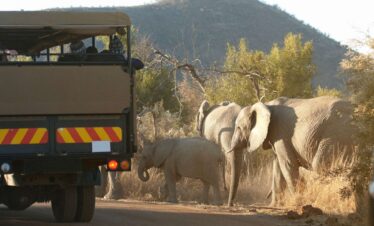
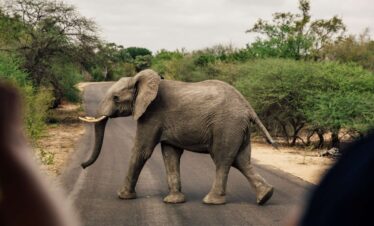
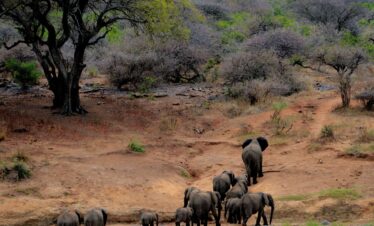
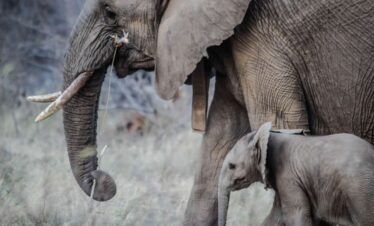
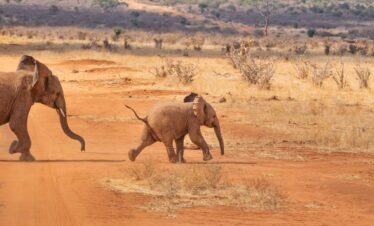
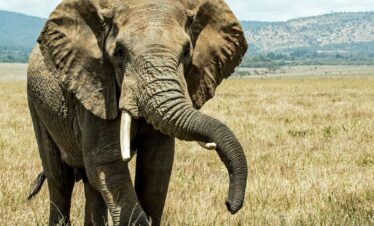
Elephants: Often older bulls with massive tusks roam the Lerai forest.
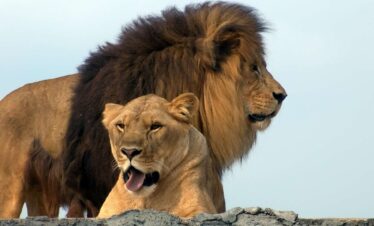
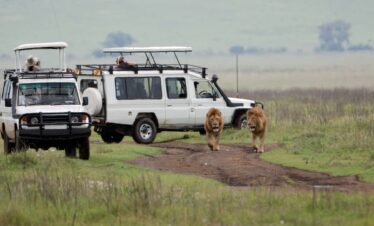
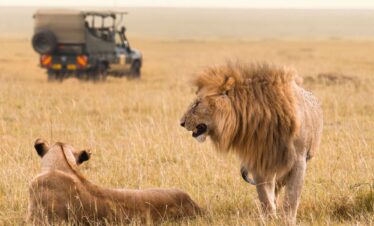
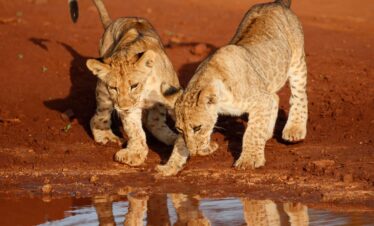
Lions: The crater hosts multiple prides; they’re often seen hunting or resting in the open.
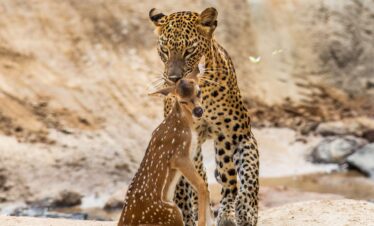
Leopards: Elusive but occasionally spotted in the crater rim forests.
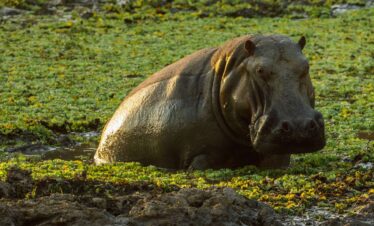
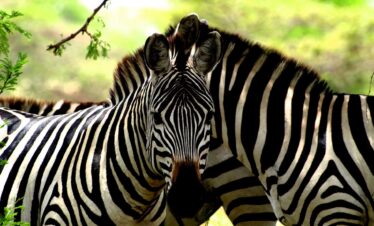
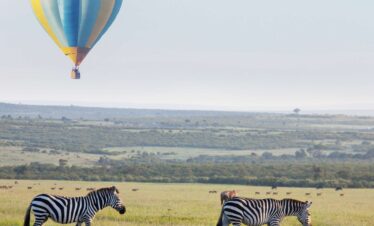
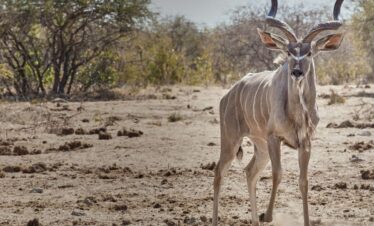
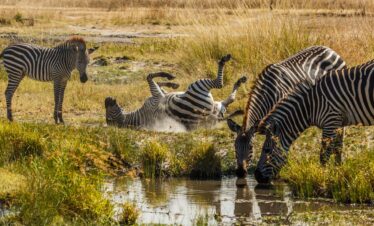
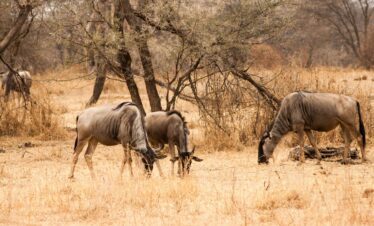
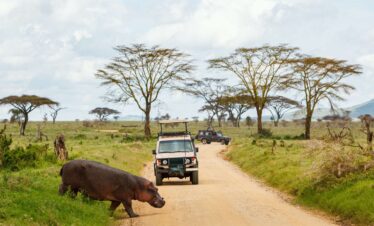
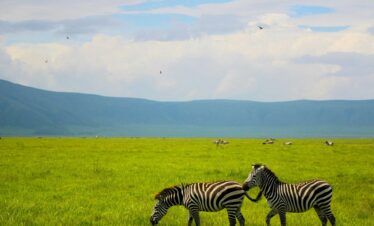
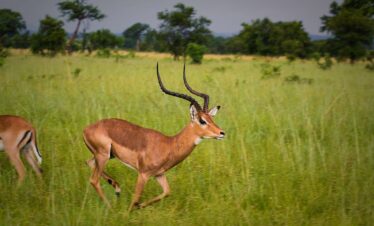
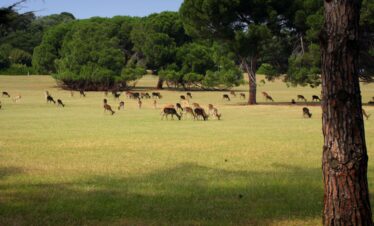
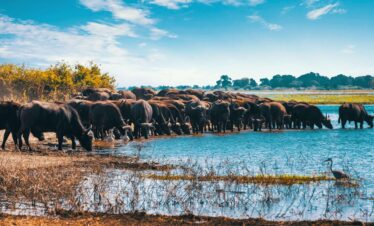
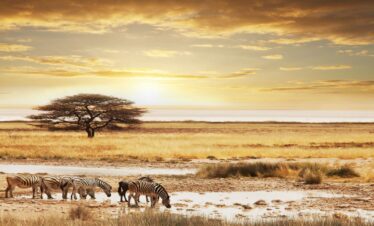
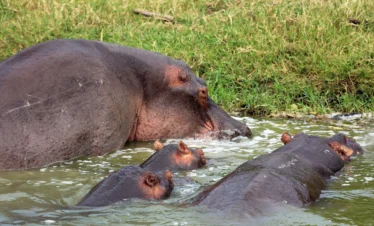
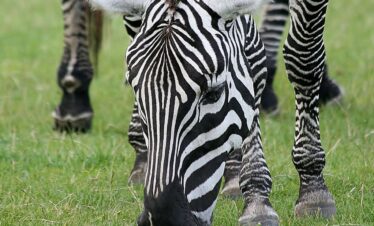
Buffaloes, hippos, zebras, wildebeest, elands, hartebeest, and warthogs are plentiful.
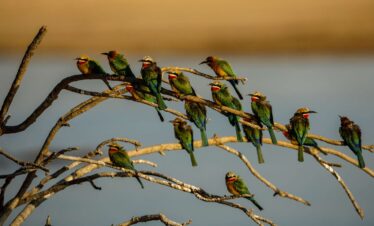
In addition to mammals, the crater is teeming with birds, particularly around Lake Magadi. Flamingos, storks, pelicans, herons, crowned cranes, and various raptors create spectacular birdwatching opportunities.
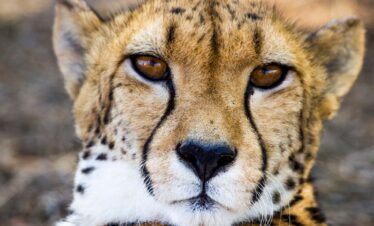
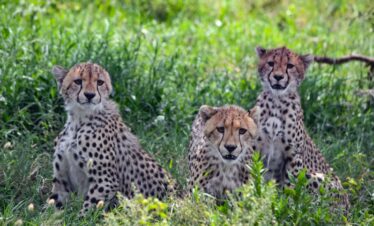
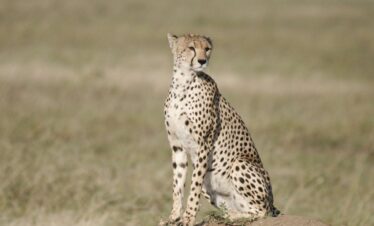
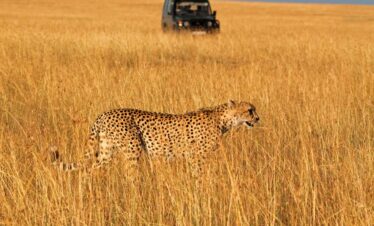
The surrounding highlands also support less frequently seen animals like cheetahs, wild dogs, and mountain reedbucks.
Beyond the Crater: The Wider Conservation Area
While the crater draws most of the attention, the greater Ngorongoro Conservation Area offers much more:
Empakaai Crater: A smaller crater northeast of Ngorongoro, known for its scenic hikes and flocks of flamingos on its central lake.
Olmoti Crater: A collapsed volcanic caldera offering shorter hikes and visits to the Munge Waterfall.
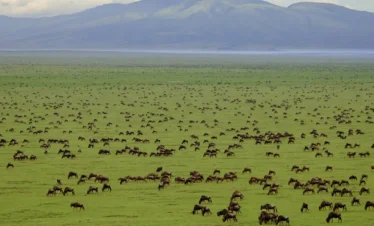
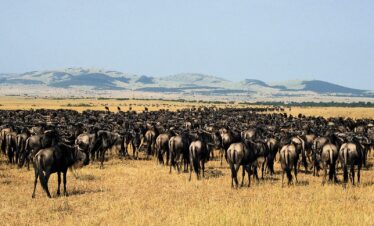
Ndutu Plains: A seasonal part of the southern Serengeti ecosystem. Between December and March, it hosts the calving season of the Great Migration, when hundreds of thousands of wildebeest give birth.
Olduvai Gorge: Often called the “Cradle of Mankind,” this archaeological site is one of the most important paleoanthropological locations in the world. It’s here that the Leakey family uncovered early human fossils and tools dating back over 1.8 million years.
Gol Mountains and Salei Plains: Remote and wild areas offering off-the-beaten-path adventures.
Cultural Significance
Ngorongoro is one of the few protected areas in Africa where human habitation is legally permitted. Over 40,000 Maasai people live within the conservation area, practicing traditional livestock herding. The conservation model aims to balance wildlife protection with the rights of local communities.
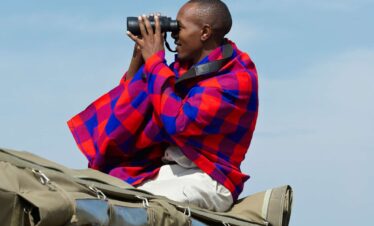
Visitors can engage with Maasai culture through village visits, guided walks, and cultural presentations—learning about traditional ways of life, ceremonies, and their symbiotic relationship with the land and animals.
Activities in Ngorongoro
1. Game Drives
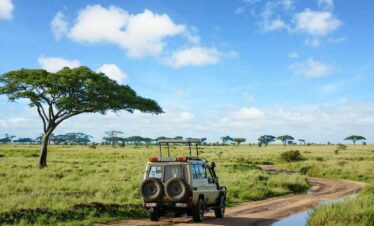
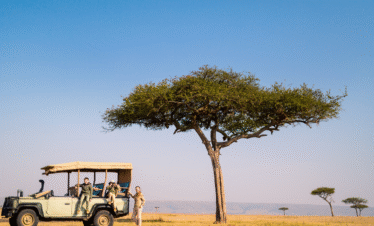
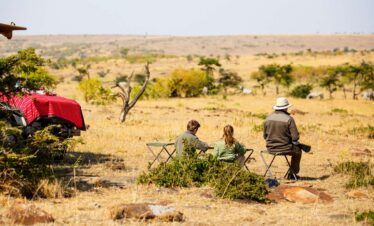
The most popular activity, especially inside the crater. Early morning drives offer the best lighting and chance to see predators in action.
2. Hiking and Walking Safaris
Permitted in the highlands and around Empakaai and Olmoti Craters, often guided by armed rangers.
3. Cultural Tours
Organized visits to Maasai bomas (homesteads) provide insights into traditional lifestyles.
4. Birdwatching
Particularly good around the crater lakes and in the highland forests.
5. Archaeological Visits
Olduvai Gorge Museum is an essential stop for those interested in early human history.
When to Visit
Ngorongoro can be visited year-round, but the experience may vary:
Dry season (June–October): Great visibility and cooler temperatures, especially in the crater.
Green season (November–May): Lush landscapes, abundant birdlife, and the wildebeest calving season in the Ndutu area (Dec–Mar).
Rainy periods (especially March to May) may cause some roads to be slippery or closed but offer dramatic scenery and fewer tourists.
Accommodation
Lodging ranges from luxury lodges on the crater rim to mobile camps and mid-range lodges in nearby Karatu or Ndutu:
Luxury: Ngorongoro Crater Lodge, The Highlands, Neptune Ngorongoro Lodge
Mid-range: Rhino Lodge, Ngorongoro Sopa Lodge
Budget: Campsites and affordable lodges in Karatu
Booking early is essential, especially for crater rim lodges, which offer spectacular sunrise and sunset views.
Why Visit Ngorongoro Conservation Area?
The Ngorongoro Conservation Area offers an unforgettable mix of breathtaking scenery, world-class wildlife viewing, cultural encounters, and deep historical significance. Whether you’re watching elephants roam beneath misty crater walls, trekking along highland trails, or standing where early humans once walked, Ngorongoro delivers a safari experience that is both profound and personal.
It is a destination that stirs the soul, reminding us not only of the wild beauty of East Africa but also of our shared human heritage.
Quick Facts
Location: Northern Tanzania, near Arusha
Size: 8,000+ km²
Best Time: June–October (dry), November–May (green)
Famous for: Ngorongoro Crater, Big Five, Maasai culture
Highlights
World’s largest intact volcanic caldera
Reliable sightings of Big Five in crater
Maasai pastoralist communities living traditionally
Important paleoanthropological site at Olduvai Gorge
6-Day Visiting Serengeti Lions & Hadzabe Tribe safari package with mid-range accommodation will give you a unique experience with a visit to Lake Eyasi. During...
One of the most sought-after experiences for wildlife and nature enthusiasts, the Great Migration is the ever-moving circular migration of over a million animals across...
On this safari you will visit Lake Manyara National Park, situated in the Rift Valley region. The park is known for its amazing tree-climbing lions....
Embark on an unforgettable adventure with our 5-Day Great Serengeti, Ngorongoro, Manyara & Tarangire safari itinerary, carefully crafted to immerse you in the wonders of...
In this short but amazing safari, you will visit Lake Manyara national park and the Ngorongoro conservation area. On this safari, you can experience a...
In this short but amazing safari, you will visit Lake Manyara national park and the Ngorongoro conservation area. On this safari, you can experience a lot of...
The most in demand safari package with high end accommodation options in Northern circuit. During which you will visit Serengeti national park, the no.1 ranked...
One of the most sought-after experiences for wildlife and nature enthusiasts, the Great Migration is the ever-moving circular migration of over a million animals across...
In this short and power packed safari package with mid-range accommodations you will visit Serengeti national park, the no. 1 ranked national park in the...